Minimally invasive care, image-guided precision.
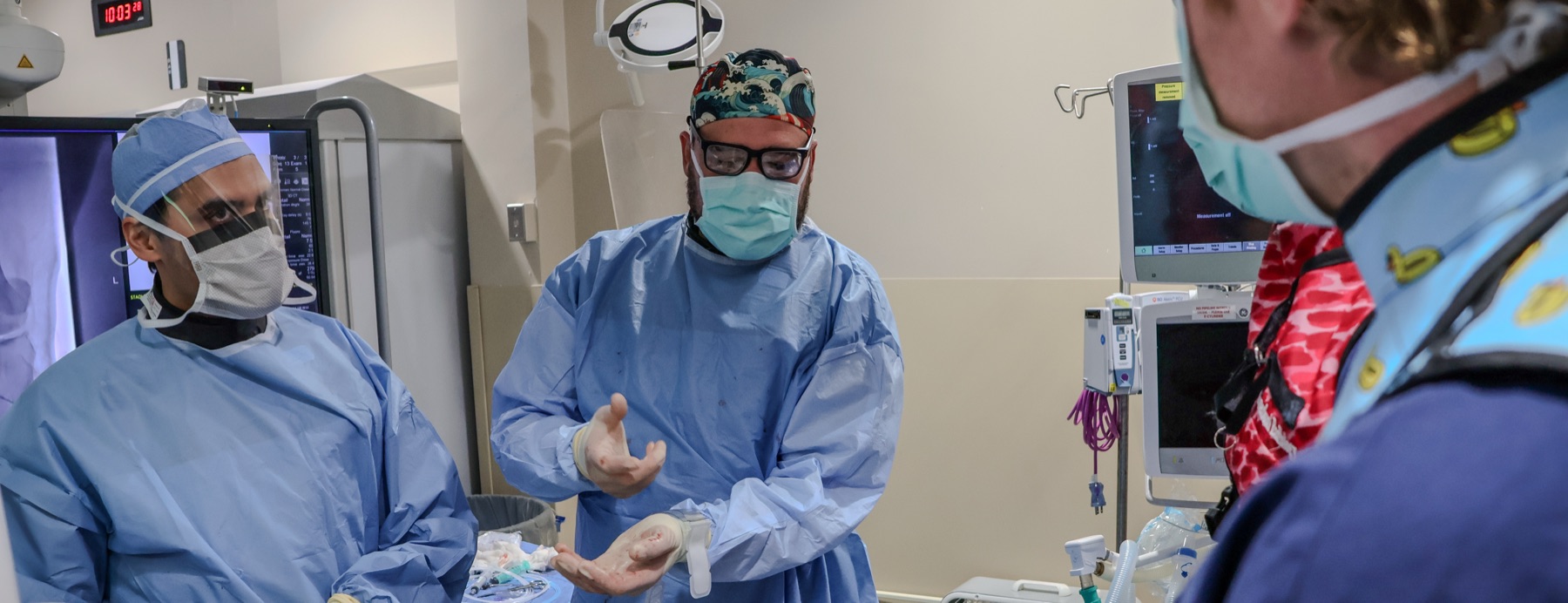
Dr. Anish Ghodadra is a board-certified interventional radiologist at UPMC. He treats knee pain, liver tumors, blood clots, and more, through tiny punctures rather than open surgery.
Non-surgical relief
for knee pain.
What is GAE? A full breadth of contemporary IR.
The modern interventional radiology spectrum, with particular focus on minimally invasive treatments for chronic knee pain and women's health.
- 01
Knee pain
Chronic knee pain from osteoarthritis or recurrent hemarthrosis after knee replacement. Pinhole access, same-day discharge.
- 02
Liver tumors
Catheter-delivered, targeted treatment and percutaneous tumor ablation for primary and metastatic liver tumors.
- 03
Blood clots (leg & lung)
Catheter-directed and mechanical thrombectomy for acute DVT and pulmonary embolism.
- 04
Endovascular AV fistulas
Dialysis access created through the skin with catheter-based tools instead of open surgery, plus maintenance to keep existing access working.
- 05
UPMC 3D Printing Program
Patient-specific anatomic models, surgical guides, and pre-procedural simulators across UPMC's surgical and interventional services.
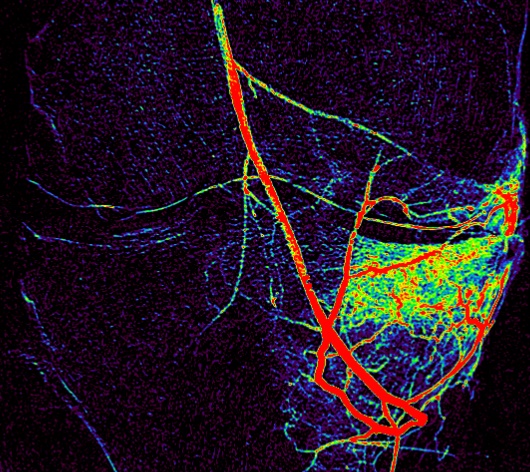 Before
 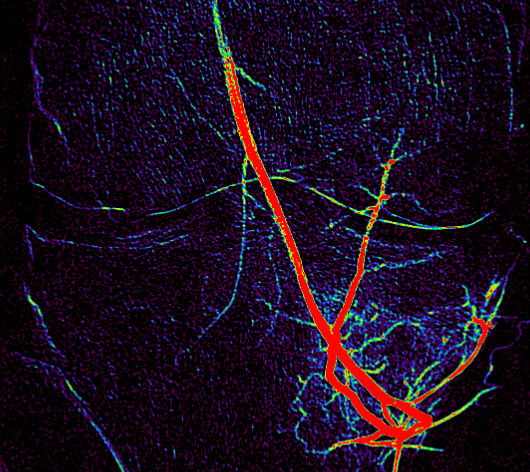 After
After Genicular Artery Embolization at UPMC
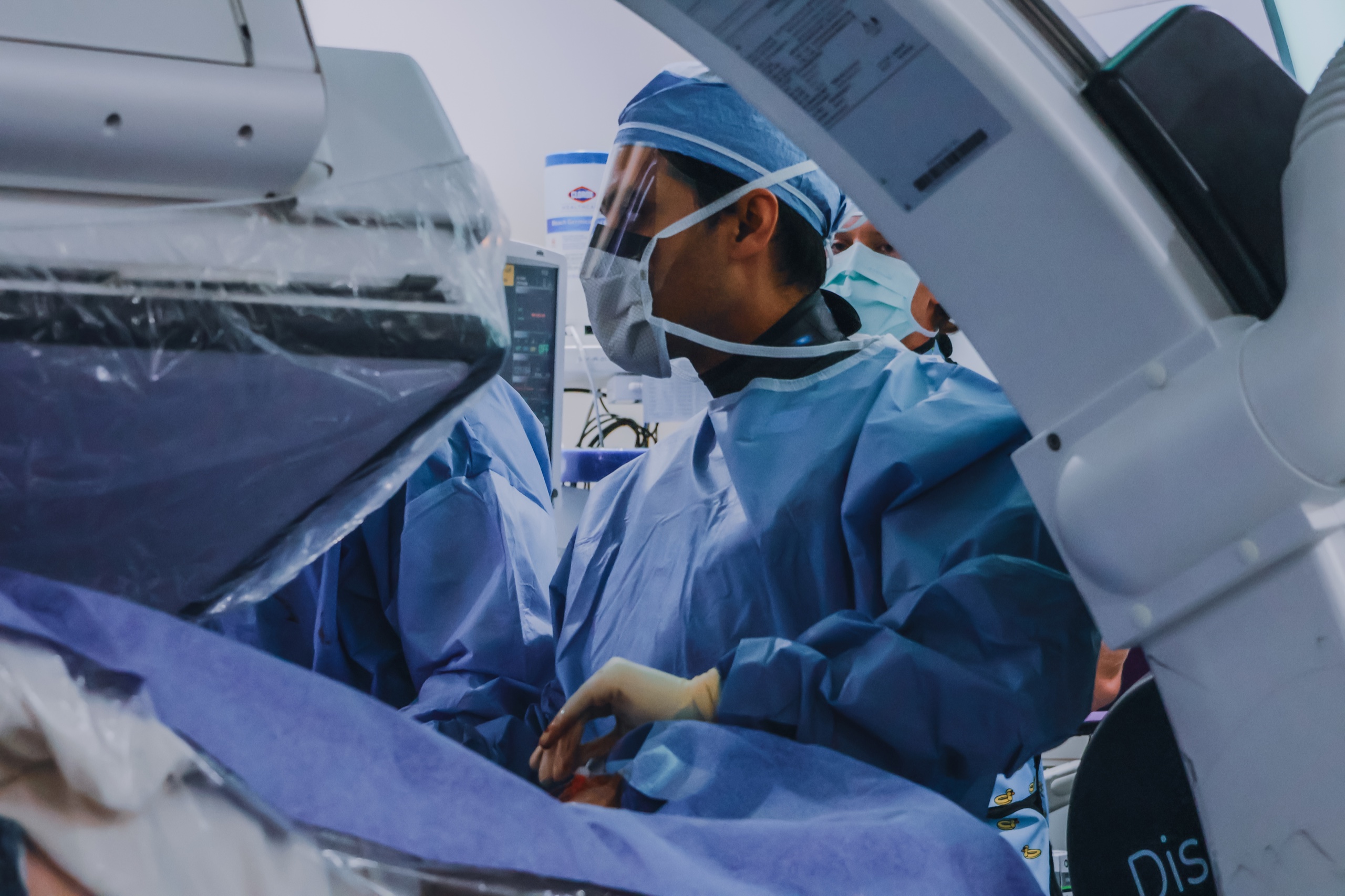
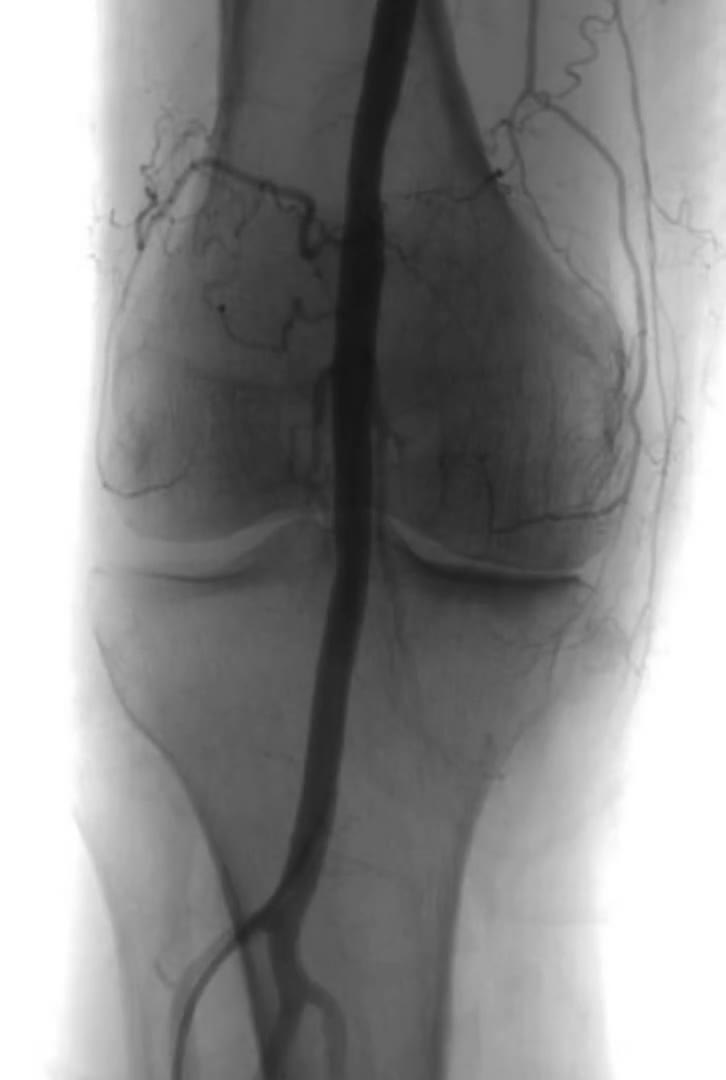
GAE is a minimally invasive, image-guided procedure for chronic knee pain. Through a pinhole puncture in the foot or groin, the interventional radiologist navigates a microcatheter to the small arteries supplying the inflamed synovium of the knee, then releases tiny particles that block the abnormal vessels driving inflammation and pain.
Most patients begin to notice meaningful pain relief within a few weeks, with maximum benefit by three months. UPMC has highlighted Dr. Ghodadra's GAE work in patient stories, including using GAE to treat recurrent hemarthrosis after total knee arthroplasty.
Read the GAE guide